I Am a Wanderer in My Heart | Sept-OCT 2026
Curatorial project at Galerie Hubert Winter in the framework of the eighteenth edition of the curated by festival, Vienna, Austria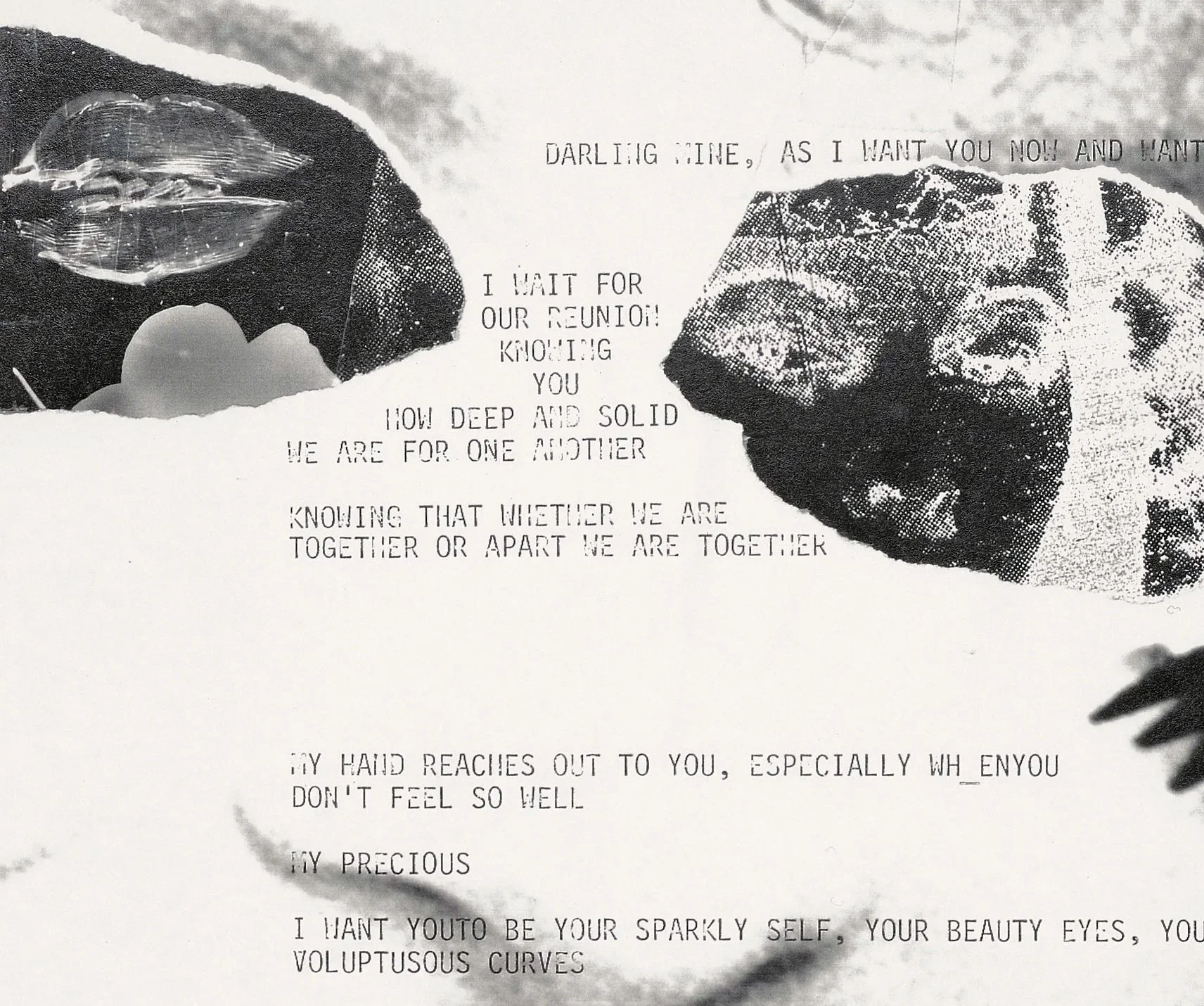
Detail of Love Letter (1996) by Barbara Hammer as part of I Am a Wanderer in My Heart, curated by Théo-Mario Coppola, Galerie Hubert Winter, Vienna, Austria, 2026 | Courtesy of the Estate of Barbara Hammer, New York, The United States of America and KOW, Berlin. Photo: Ladislav Zajac
With works by Yasmina Benabderrahmane, Pauline Boudry / Renate Lorenz, Barbara Hammer, Hudinilson Jr., Bhupen Khakhar, Lalitha Lajmi, Jimmy Robert, Kirill Savchenkov, and J Triangular, the exhibition I Am a Wanderer in My Heart examines how desire, whether expressed through longing, inner conflict or the erotic impulse, is conveyed in various geocultural backgrounds and practices ranging from the 1970s to the present day.
The intimate, the everyday, and the physical
The verse “I am listless, I am a wanderer in my heart,” from which the title of the exhibition derives, is taken from the fifth poem in Rabindranath Tagore’s The Gardener (1913).[1][2] With a profound and pervasive feeling of existential desolation, imbued with melancholy and romanticism, this verse reflects the poet’s inward conflict and relentless pursuit of purpose. Both belonging and distancing himself from the modern turn, the Bengali prodigy resisted systematic formal resolution and contrasted with the mainstream obsessions of his time, favoring refrains of sensual reverie, gracious longing, somatic limits, apprehensive tensions with a post-romantic dash that confers disillusionment.
A sophisticated polymath, Rabindranath Tagore embraced variegated issues where the social, the aesthetic, and a form of “secular mysticism” came together. He contributed to a modernity “of contact,”[2] in which references were not confined to distinctions between empire and colony or the West and the East. Reversely, these references transcended cultural boundaries through human experience, singularity of individual trajectories and curiosity as an aesthetic attribute, whilst never wavering in his criticism of British imperialism and of reactionary traditions based on religious dogmatism, class distinctions, and caste systems. His work was a celebration of an ecosystemic experience of the world, where existential struggles, including desire, are constantly questioned through self-liberation, beyond the nation-state preoccupation of his time, and a continuous quest for personal growth and learning, transcending the intimate, the everyday, and the physical.
The self and the world
In their primordial manifestation, desires are conceived within the mind’s recesses, often remaining unacknowledged, unseen, and unshared to others. A fierce struggle occurs between that which is achievable and that which is not. Desires are characterized by the attraction through which humans confront the dilemma of the unsatisfied intensity and the fulfilled longing, and therefore their responsibility, their choice, their purpose. Lurking in ruminative thoughts, haunting dreams and deep-seated hopes, desire drives human emotional states, aspirations, and obsessions. When desire takes on more outward forms, it can be expressed as sexual frenzies, exalted ideals or all-consuming compulsions. By extension, it can transform into characters, relationships, and acts of devotion.
Rather than being solely induced by privation or need, desire is shaped by the environment in which a person finds themselves. Some forms of desire are borrowed from others, such as imitation patterns, which include mimicking a lifestyle, admiring a figure of authority or displaying collective conformity. Other forms of desire, likely unfulfilled or unspoken, are considered taboo or forbidden in societies where they nevertheless live and thrive. Whether unfulfilled or unspoken, forms of desire differ as circumstances dictate. They vary in type and intensity. They come with their set of emotional turmoil, and violence at times.
Desire develops in relation to a person’s cultural environment, mindset towards materialism or spirituality, and ability to assert oneself in an oppressive society. The expression of desire, or its absence, in the arts is a vast field of study that sheds light on representation, belonging, and freedom. Existing representations have been passed down through surviving societies, cultural practices, and heritage, providing present-day individuals with a sense of lineage and a foundation on which to foster a sense of belonging.
A projected desire: representation and self-expression
The contemporary depiction of desire, as observed in the late 20th and early 21st centuries, is indicative of a period in history that is unparalleled in its scope and significance. This era is distinguished by a transnational and transcultural movement that is propelling the emancipation of sexualities and genders. However, reactionary forces, reinvigorated by current circumstances, have emerged as a substantial challenge to such progressive movements, seeking to erode rights and safeguards, thereby jeopardizing people’s well-being and exploiting ideologies and cultural beliefs to advance lethal political agendas. The exhibition seeks to establish analogies and evocations between projects and works, depicting desire through sorrowful absence, tortuous longing, and flamboyant obsession, while emphasizing their inherent urgency and erotic power.
By considering desire across various aesthetic approaches, idiosyncratic experiences, and geocultural contexts by practitioners from distinctly different social backgrounds, I Am a Wanderer in My Heart intends to resist simplification and categorization. It emphasizes that diversity manifests in concrete instances and defies a succinct summary.
Yasmina Benabderrahmane’s Erotica Universalis (2008) features self-shot footage of herself on Super 8mm film. In a state of restlessness and stimulation, she nervously wiggles her legs, puckers her lips, and browses through a book of erotic and sexual images from various cultures across the globe––a significant proportion of which date back to ancient times. While the film’s short duration and jerky editing create a sense of heightened excitement and erotic impulsiveness, blurry, fleeting, and fragmented footage turns the viewer into a frustrated voyeur. It is indicative of the practitioner’s lens-based work in its conveying of the excesses of desire, including her own.
chain piece (three lovers, sex unknown, separation pending, 1) (2025), chain piece (three lovers, sex unknown, separation pending, 2) (2025), chain piece (three lovers, sex unknown, separation pending, 3) (2025), and chain piece (non-compliant) (2025) by Pauline Boudry / Renate Lorenz are each made of one long chain that is spooled and hung on a wall with one of the loops. The four works examine the emotional and sexual bonds that connect or disconnect individuals to one another. While the first three are a metaphor for the situation of individuals engaged in polyamorous relationships in the throes of an existential crisis, the latter could be understood as that of an individual who stands out and seeks seclusion. These individuals, who may the practitioners’ own contemporaries or those who came before them, are caught in the ambivalent tension arising from intimate relationships, the disruption of desire caused by societal norms, and the excess that rattle most queer lives. The works bring the spoken into conversation with the unspoken, the visible with the opaque, the chosen with the forced upon, and the reversible with the irreversible.
Barbara Hammer’s photographic photomontages Je t’embrasse 2 (1984), Je t’embrasse (1994), and Love Letter (1996) are both portraits and declarations of love to unnamed recipients over a period of twelve years. The dual function combines representations of the individual who is yearning and of the individuals to whom that yearning is directed. The works show positive and negative images of faces, hands, feet, eyes, and lip traces that overlap with typewritten love messages of various length. The two gelatin silver prints and the Xerox print are enhanced with handmade interventions or the practitioner’s handwritten signature, that emphasize the intensity of the scenes and their amorous charge.
The five photographs constituting the documentation of Hudinilson Jr.’s performance Exercício de me ver II / Narcisse[Exercise of Seeing Myself II / Narcissus] (1982) captured a historic moment in the history of Brazilian art. They were taken by Afonso Roperto in a room at the Pinacoteca do Estado de São Paulo in São Paulo, Brazil, as Hudinilson Jr. performed with a photocopier that was used for the Pinacoteca’s evening classes. Hudinilson Jr. posed naked against the scan window to frame parts of his body––such as his buttocks, his legs, knees, ankles and feet, or his arms, wrists, and hands––and create close-up “replicas” of himself. He made reduplicates of the Xerox prints through further scanning and printing and arranged them in fragmented compositions. The process reveals how his gaze was directed at the male body and his own desire. It was a deliberate attempt at portraying oneself without being able to see the full picture: a double of Narcissus through the body and the machine. The fragmentation, replication, and propagation of the human body come together in a moment of intense excitement and desire.
In Intimacy (1974), figures are depicted by Bhupen Khakhar in a state of mixed joy and uncertainty. Far from the city and the prejudice, prohibition, and oppressive anathema of a society burdened by religious, caste, and class orthodoxy and the lingering legacy of imperial norms, they surrender to their desires in the countryside. On a lawn in the foreground, an ageless man is sitting naked, with his mouth half open in front of lower abdomen of another naked man whose upper body is left out of frame. In the picturesque, distant village in the background, other pairs of no apparent gender or age are engaging in sexual intercourse in the shade of trees.
In her Bengali parables, in which aspects of day-to-day life find expression through the lens of ecosystems, performing arts, and divine and imagined beings, Lalitha Lajmi depicts the spectrum of human love and desire, alongside the disappointment, triviality, and misery that can accompany relationships. She encapsulates these complex emotions in small watercolor pieces, occasionally incorporating graphite, ink, pastel, charcoal, and red chalk for further enhancement. In portraits imbued with gentleness and melancholy, such as Untitled (2009), Performers (2013) from the Performer series (1984-2018), Woman with two birds (2015), and Untitled (2020), Lalitha Lajmi juxtaposes everyday situations, and, occasionally, of spiritual encounters, with images drawn from her own dreams and reveries to represent the vicissitudes of married life. In Untitled (1974), she focuses on sexuality. The work depicts it from the perspective of a woman, who is seen from behind, sitting on a bed with her legs stretched, and fully undressed. The woman faces a man, lying on the same bed, with his lungi partially undone and revealing his genitalia. While desire is shown straightforwardly, it is unsatisfied, and the erotic tension remains undissipated.
A personal anti-essay, a cultural investigation, a private quest for the object of desire as the counterpart to one’s own wanderings in desire: Jimmy Robert’s French film (2000) is a sophisticated yet non-manierist spirit, erudite yet non-didactic, allusive yet unobsessed, of the practitioner’s restlessly solitary and politically conscious exploration of the self, its condition and its limits—wherever desire may be, wherever it may not be—echoing the reflections and words of Marguerite Duras, one life journey responding to another. The work acts as a catalyst for self-construction and the expression of vulnerability, doubt and longing, whether through an assertive presence, a deliberate appearance or an evocative absence.
Kirill Savchenkov’s Essay P: Repressed Memory (2025), Essay U: codependency of the beloved (2025), the beam of night (the water striders talk) (2025), the wolftone of forgotten names (and numbers) (2026), and (I deeply regret my shadow)(2026) are haunted by the weight of prohibition, silence, and control that bear down on human destinies, constraining their actions and thoughts, and to whom remains the power of poetic evocation, of enigmatic speculation from fragments and traces of a past left in limbo. The Wolfsbane Letter project, which these works form part of, is a long-term investigation into the inextricable ties between politics and lived experience, with its dead ends, obstacles and margins—notably the night as a secluded space, a metaphor for inner life and its deepest impulses.
In J Triangular’s Love is the Only True Act of Resistance (2018), love takes center stage, while the distant coastal line of mainland China serves as an ever-present geopolitical backdrop. J Triangular’s wanderings with their partner against this backdrop create striking imagery that highlights the power of love as a form of resistance—a recurring theme in their work. The city’s dreamlike, ecstatic, suspended world, with its unexpected, recurring events, sounds, and sights, embodies fleeting moments of mundane joy and queer desire. The camera captures both near and far, lover and beloved, comfort and anxiety, illuminating the gaps and tensions that love encounters.
While the recurrence of patterns and the manifestation of desired features may result in the production of comparable forms of self-expression that bear similarities, hagiographic interpretations, when approached through the lens of a comprehensive analysis that incorporates economic, social and cultural factors, offer a dynamic understanding of how these factors interact. Desire is subject to a cultural spectrum that encompasses prohibition, control, respect, and affirmation. The projects and works gathered here bear witness to that fluctuating spectrum through which individuals express themselves. Bearing witness to the active oppression that shapes and transforms the expression of desire, the practitioners brought together through this exhibition demonstrate—from distinct geocultural perspectives and within unique life journeys—that any expression of desire for another person or of a sexual practice is conditioned by the limitations of our world. These works convey stories, sensations, and inner conflicts that reflect the pivotal moment in which we find ourselves, and carry a message of awareness to imagine a future where desire is not a privilege and where the individual is supported in their awakening, beyond the underlying structuring and oppressive forces.
Towards an intersectional existentialism of liberation
Desires inevitably exist within the context of their immediate environment and the societal conditions that prevail and shape them. These conditions can range from the advancement of fundamental human rights to oppressive adversity. This implies unequal standards of entitlement and protection and creates inherent asymmetries. The capacity to manifest one’s desires is not equally distributed among individuals; this disparity is further pronounced by life circumstances.
Taking oppressive adversity into consideration when framing desire may help to develop what could be termed an “intersectional existentialism of liberation” an open, patient and nuanced approach to people’s life trajectories with a view to achieving progress and advancing rights, thereby ensuring greater equality of treatment between individuals.
For the present, our peregrinations continue; we search, we doubt our ability to establish reliable principles and the legitimacy of our desires. For a further interlude, we remain as wanderers in our hearts.
—Théo-Mario Coppola
–
[1] Rabindranath Tagore was born in 1861 in Calcutta, British Raj, now Kolkata, India. He died in the same city in 1941, before the liberation from British Empire and subsequent partition with Pakistan in 1947. He was a writer of poetry, short stories, novels, and plays. He was also a composer, musician, choreographer, and performer. He took part in debates and projects revolving around philosophy, religion, philology, translation, pedagogy, and social issues. Associated with the notion of “contextual modernism,” as developed by Raman Siva Kumar in his exhibition Santiniketan: The Making of a Contextual Modernism at the National Gallery of Modern Art in New Delhi, India, in 1997, and the accompanying publication, he is still considered a central figure in South Asia.
The Gardener is a collection of poems by Rabindranath Tagore. The first English edition of Rabindranath Tagore’s The Gardener (London: Macmillan and Co, 1913) was translated by himself from the original Bengali edition published the same year. With its strong introspective dimension, The Gardener explores themes of longing and love—in their sensual, mystical and pastoral variations—alongside cosmic and environmental imagery, drawing on visual images steeped in rural Bengali life, while simultaneously adopting a broader, universal resonance.
[2] Rabindranath Tagore developed points of contact across South Asia and beyond. He founded Viśva-Bhāratī in Shantiniketan, a visionary school of arts. For an examination of Rabindranath Tagore’s achievements in cultural dialogue, cross-disciplinary research, and educational experimentation, see “In the shade of tall mango trees: Art education and transcultural modernism in the context of the Indian independence movement,” in Christian Kravagna, Transmodern: An art history of contact, 1920-60, trans. Jennifer Taylor, (Manchester: Manchester University Press, 2022), 63–89.

Exhibition view of I Am a Wanderer in My Heart, curated by Théo-Mario Coppola, Galerie Hubert Winter – 17 Breite Gasse, 18th edition of the curated by festival, Vienna, Austria. | Photo: Simon Veres.

Exhibition view of I Am a Wanderer in My Heart, curated by Théo-Mario Coppola, Galerie Hubert Winter – 17 Breite Gasse, 18th edition of the curated by festival, Vienna, Austria. | Photo: Simon Veres.
Exhibition view of I Am a Wanderer in My Heart, with works by Lalitha Lajmi, curated by Théo-Mario Coppola, Galerie Hubert Winter – 17 Breite Gasse, 18th edition of the curated by festival, Vienna, Austria. | Photo: Simon Veres.

Exhibition view of I Am a Wanderer in My Heart, curated by Théo-Mario Coppola, Galerie Hubert Winter – 17 Breite Gasse, 18th edition of the curated by festival, Vienna, Austria. | Photo: Simon Veres.
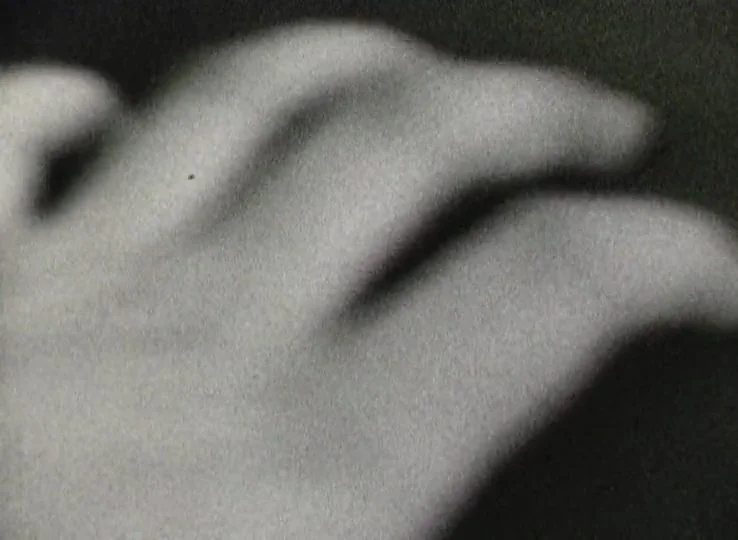
Video still of Erotica Universalis (2008) by Yasmina Benabderrahmane as part of I Am a Wanderer in My Heart, curated by Théo-Mario Coppola, Galerie Hubert Winter, Vienna, Austria, 2026 | Courtesy of the artist and ©ADAGP, Paris, France. Still: Yasmina Benabderrahmane

Exhibition view of I Am a Wanderer in My Heart, curated by Théo-Mario Coppola, Galerie Hubert Winter – 17 Breite Gasse, 18th edition of the curated by festival, Vienna, Austria. | Photo: Simon Veres.
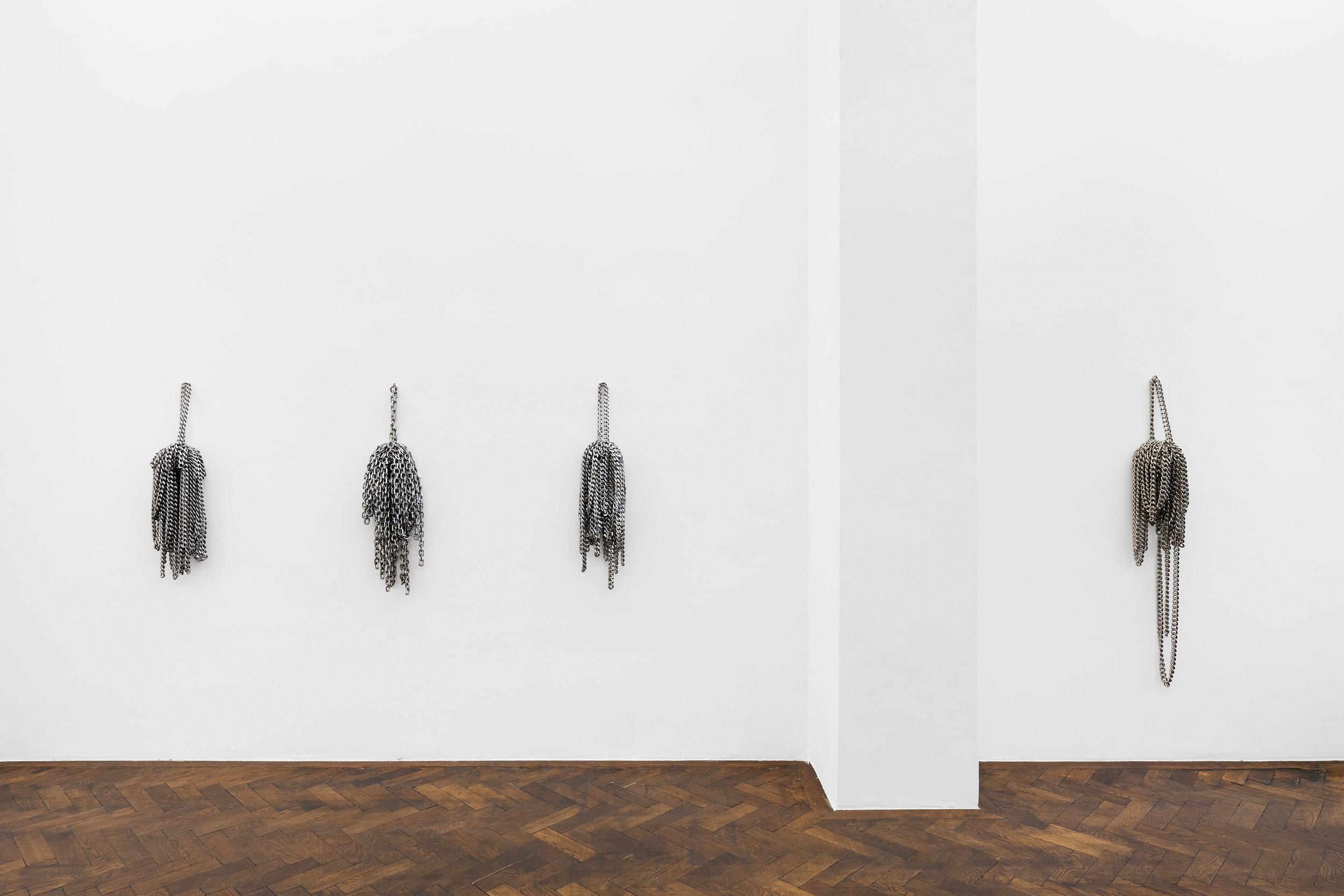
Exhibition view of I Am a Wanderer in My Heart, with works by Pauline Boudry / Renate Lorenz, curated by Théo-Mario Coppola, Galerie Hubert Winter – 17 Breite Gasse, 18th edition of the curated by festival, Vienna, Austria. | Photo: Simon Veres.

Exhibition view of I Am a Wanderer in My Heart, curated by Théo-Mario Coppola, Galerie Hubert Winter – 17 Breite Gasse, 18th edition of the curated by festival, Vienna, Austria. | Photo: Simon Veres.
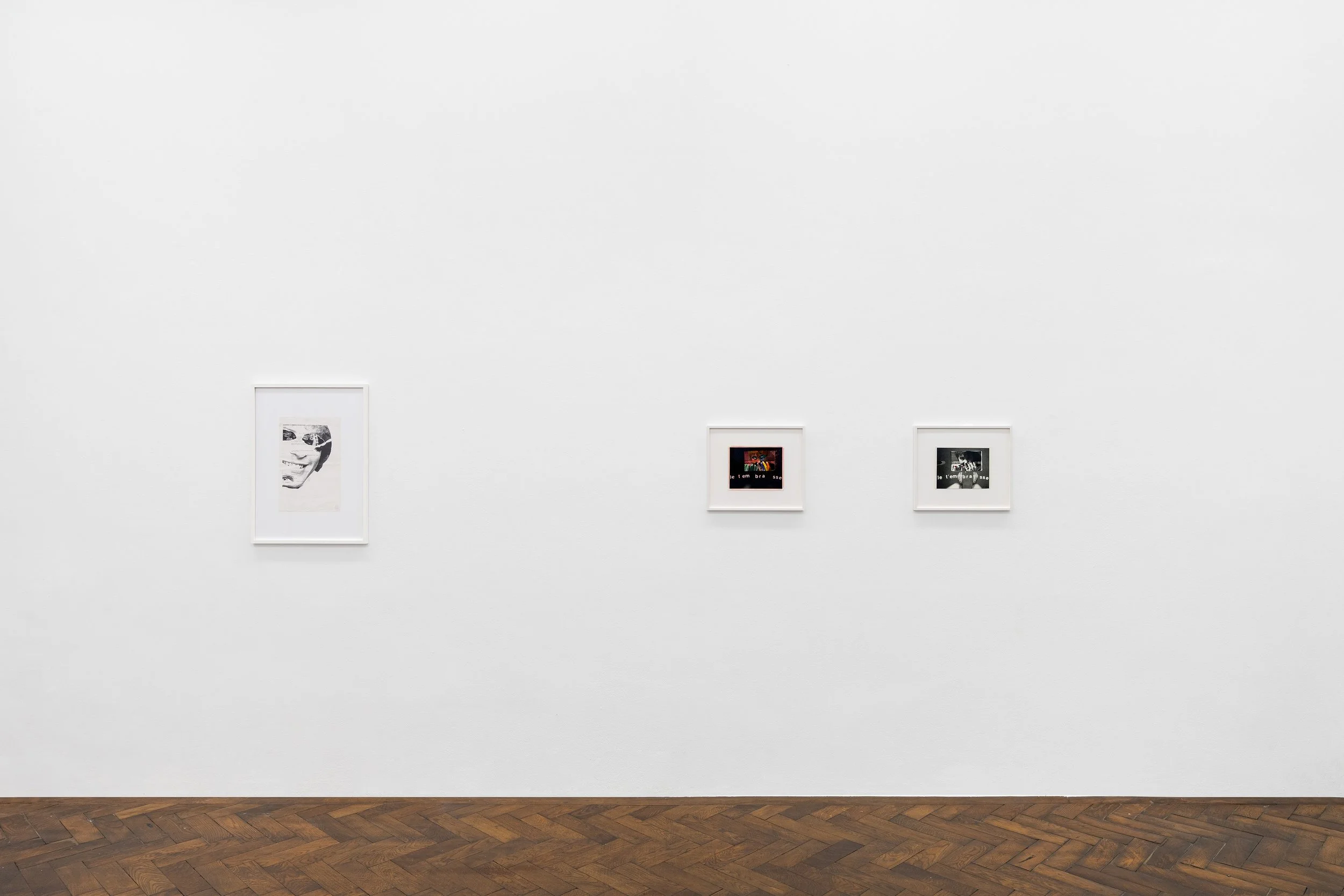
Exhibition view of I Am a Wanderer in My Heart, with works by Barbara Hammer, curated by Théo-Mario Coppola, Galerie Hubert Winter – 17 Breite Gasse, 18th edition of the curated by festival, Vienna, Austria. | Photo: Simon Veres.

Exhibition view of I Am a Wanderer in My Heart, with a work by Bhupen Khakhar and works by Barbara Hammer, curated by Théo-Mario Coppola, Galerie Hubert Winter – 17 Breite Gasse, 18th edition of the curated by festival, Vienna, Austria. | Photo: Simon Veres.
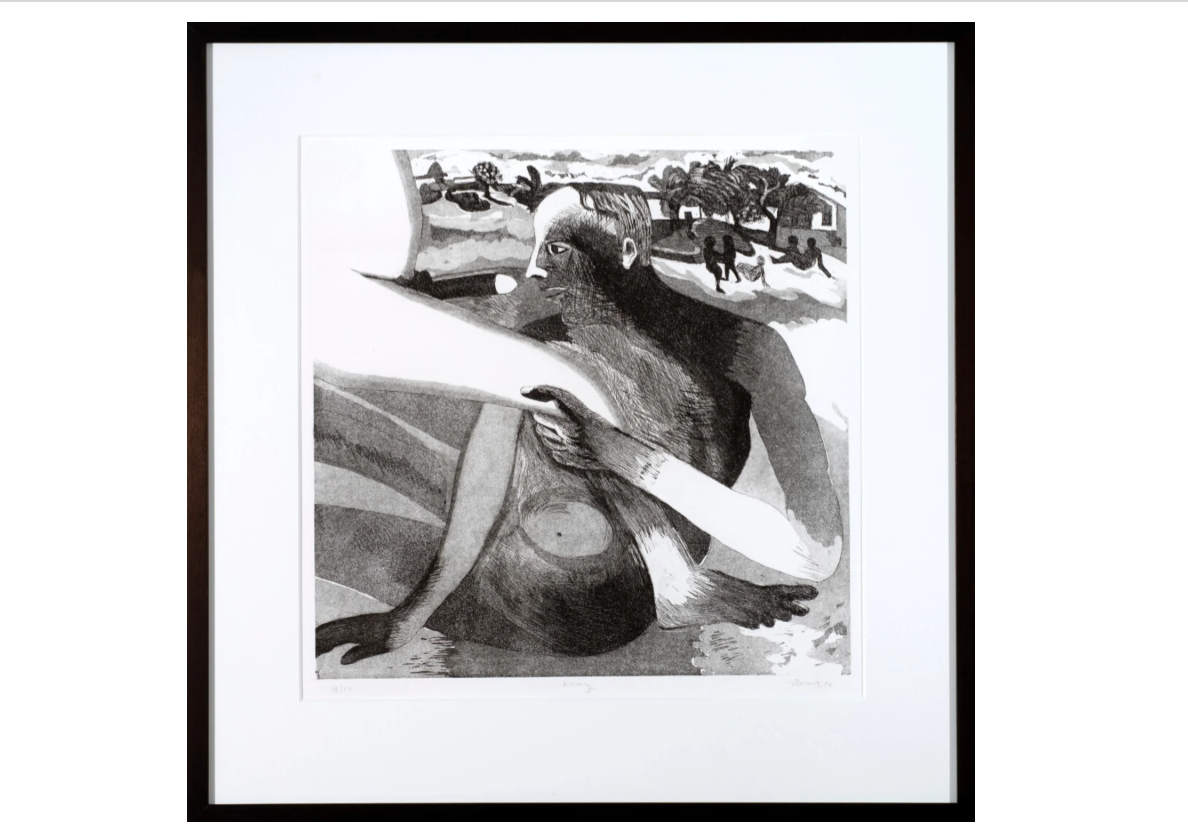
Intimacy (1993) by Bhupen Khakhar as part of I Am a Wanderer in My Heart, curated by Théo-Mario Coppola, Galerie Hubert Winter – 17 Breite Gasse, 18th edition of the curated by festival, Vienna, Austria. | Loan from Grosvenor Gallery, London, United Kingdom. Photo: Grosvenor Gallery, London, United Kingdom.

Exhibition view of I Am a Wanderer in My Heart, with French film (2000) by Jimmy Robert, curated by Théo-Mario Coppola, Galerie Hubert Winter – 17 Breite Gasse, 18th edition of the curated by festival, Vienna, Austria. | Photo: Simon Veres.
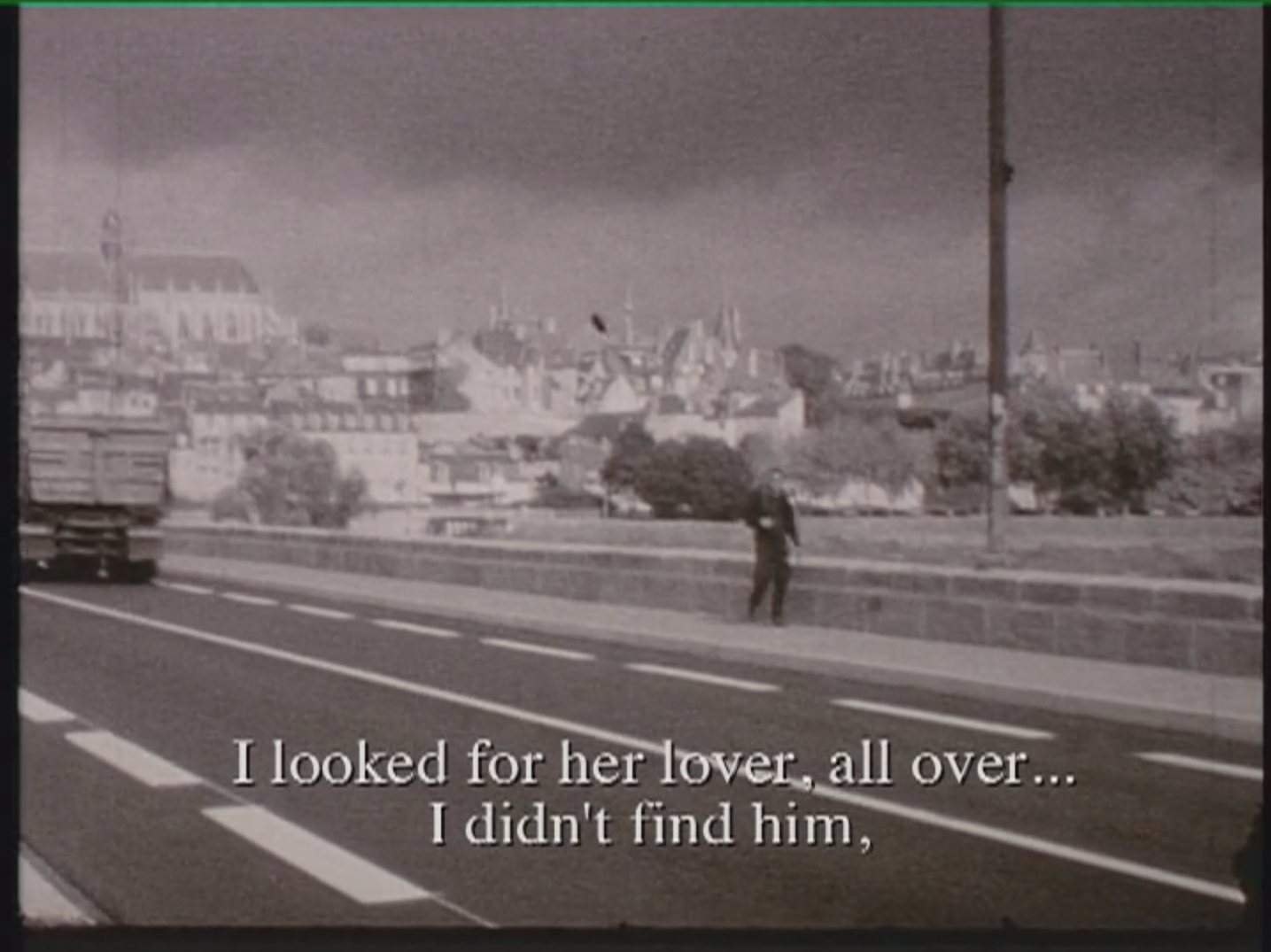
Video still of French film (2000) by Jimmy Robert as part of I Am a Wanderer in My Heart, curated by Théo-Mario Coppola, Galerie Hubert Winter – 17 Breite Gasse, 18th edition of the curated by festival, Vienna, Austria, 2026 | | loan from Thomas Dane Gallery, London, United Kingdom and Naples, Italy and Jimmy Robert, Berlin, Germany. Courtesy Jimmy Robert, Berlin, Germany, Stigter van Doesburg, Amsterdam, Netherlands, Thomas Dane Gallery, London, United Kingdom and Naples, Italy, and Tanya Leighton, Berlin, Germany and Los Angeles, United States
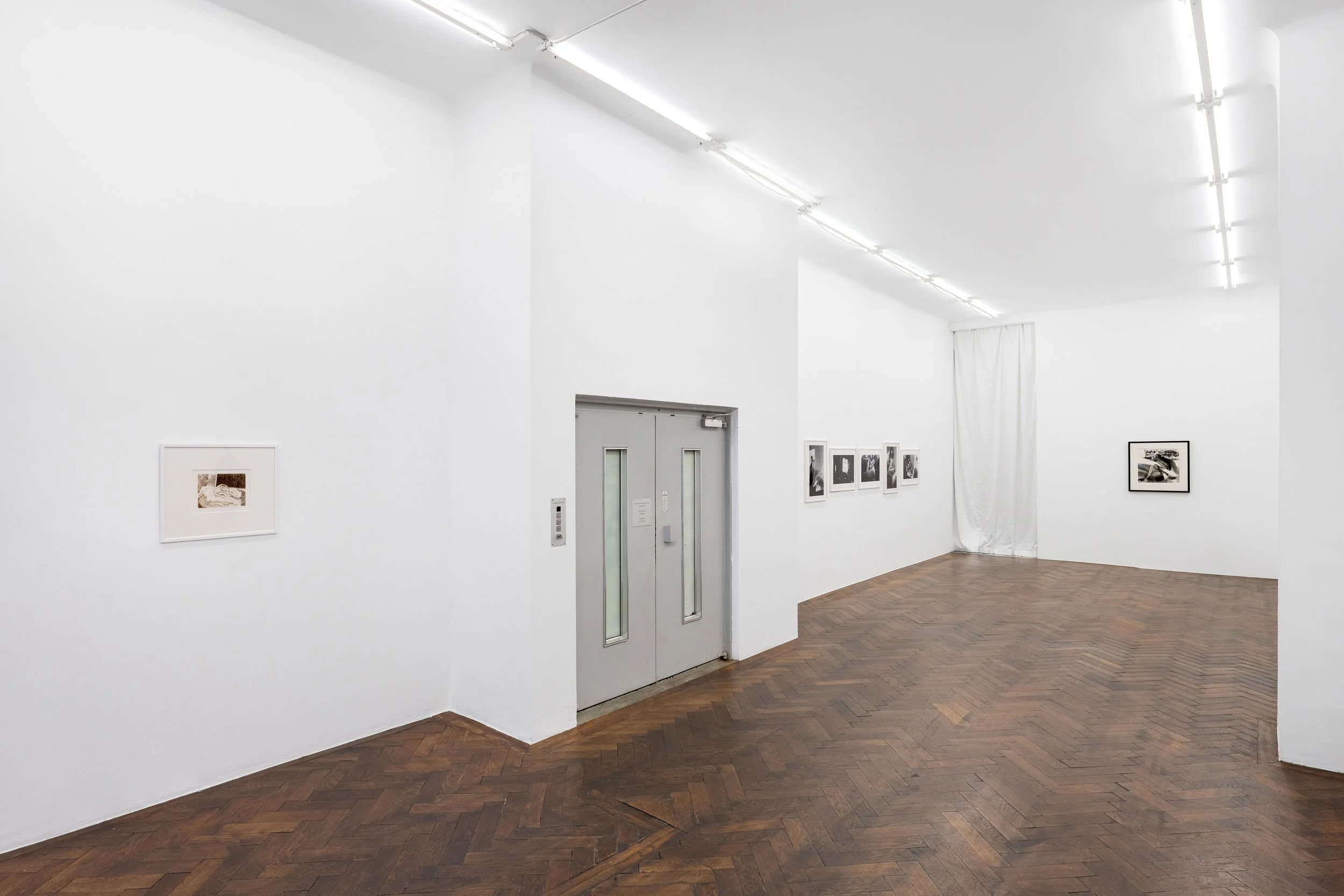
Exhibition view of I Am a Wanderer in My Heart, curated by Théo-Mario Coppola, Galerie Hubert Winter – 17 Breite Gasse, 18th edition of the curated by festival, Vienna, Austria. | Photo: Simon Veres.
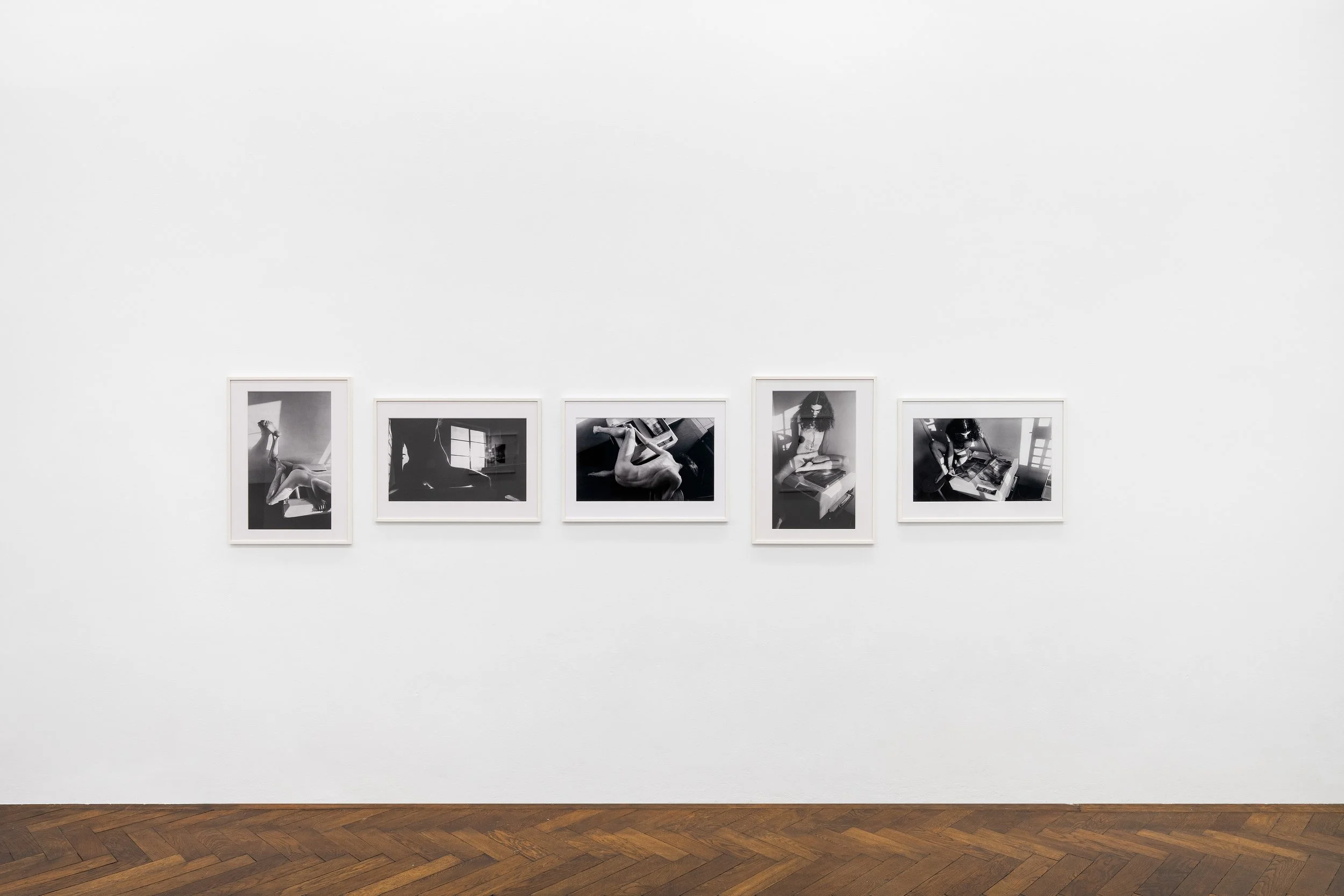
Exhibition view of I Am a Wanderer in My Heart, with a five-piece polyptych documenting Exercício de me ver II / Narcisse [Exercise of Seeing Myself II / Narcissus] (1982) by Hudinilson Jr., curated by Théo-Mario Coppola, Galerie Hubert Winter – 17 Breite Gasse, 18th edition of the curated by festival, Vienna, Austria. | Photo: Simon Veres.

Detail of an exhibition view of I Am a Wanderer in My Heart, with Untitled (1974) by Lalitha Lajmi, curated by Théo-Mario Coppola, Galerie Hubert Winter – 17 Breite Gasse, 18th edition of the curated by festival, Vienna, Austria. | Photo: Simon Veres.
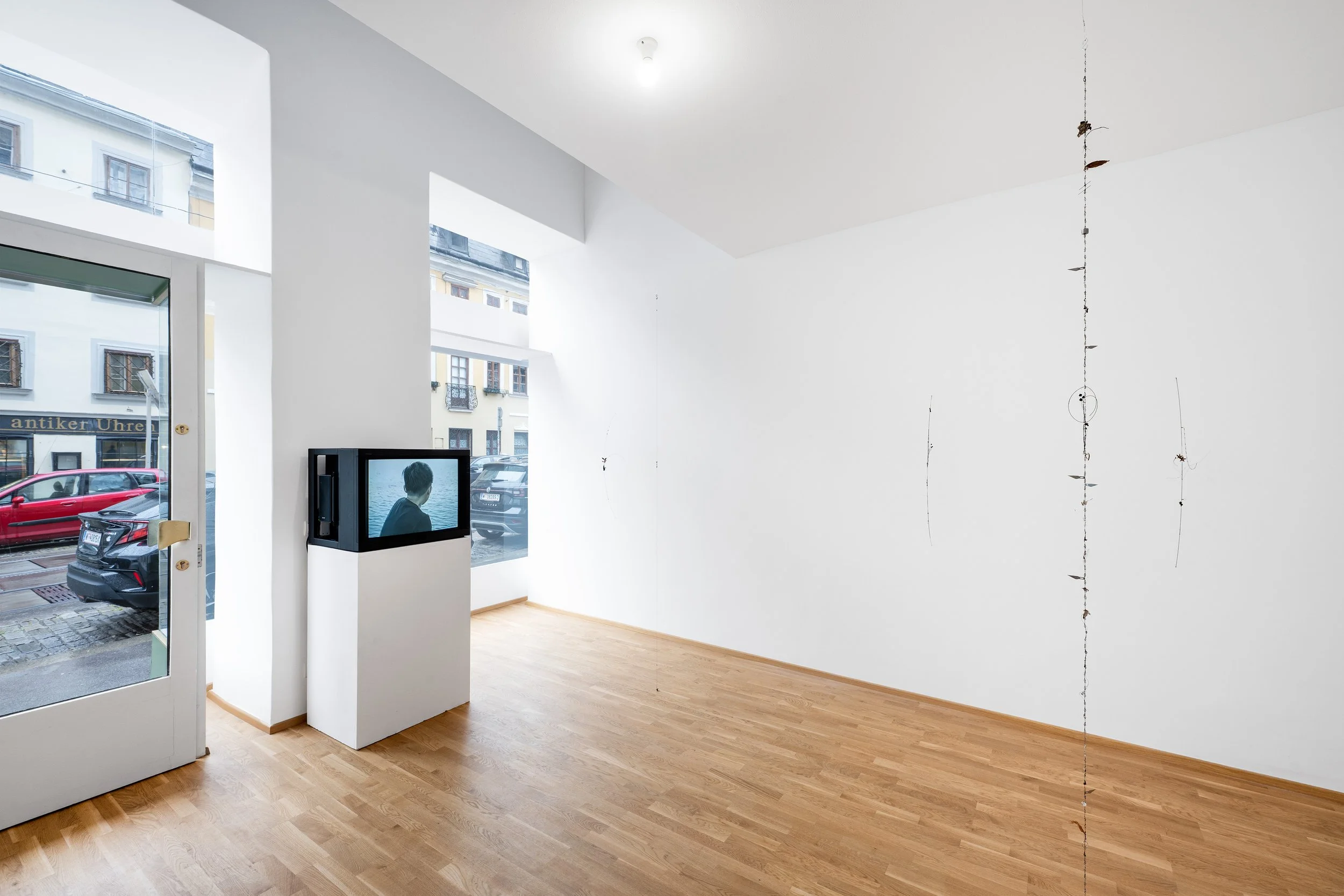
Exhibition view of I Am a Wanderer in My Heart, curated by Théo-Mario Coppola, Galerie Hubert Winter – 19 Breite Gasse, 18th edition of the curated by festival, Vienna, Austria. | Photo: Simon Veres.
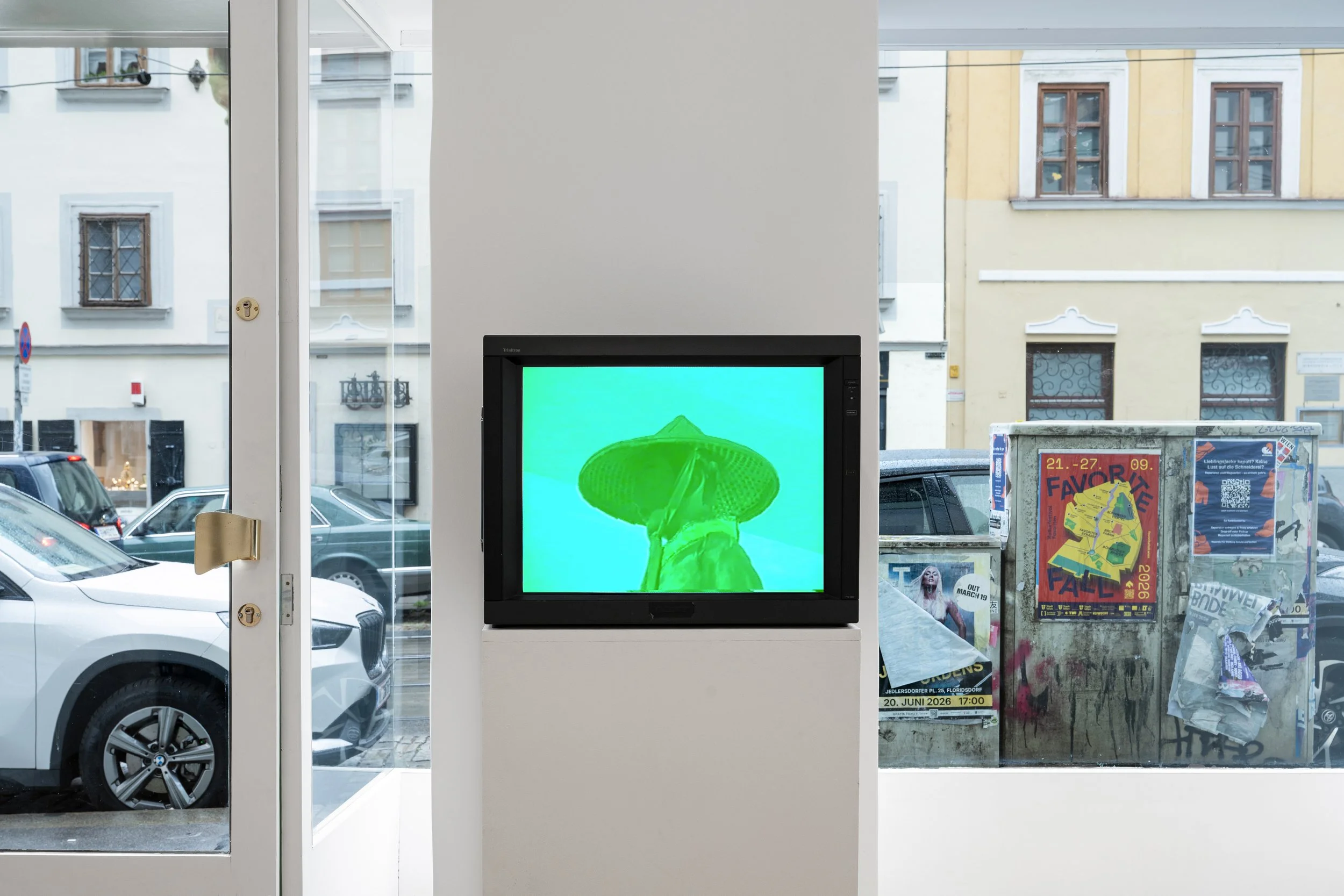
Exhibition view of I Am a Wanderer in My Heart, curated by Théo-Mario Coppola, Galerie Hubert Winter – 19 Breite Gasse, 18th edition of the curated by festival, Vienna, Austria. | Photo: Simon Veres.
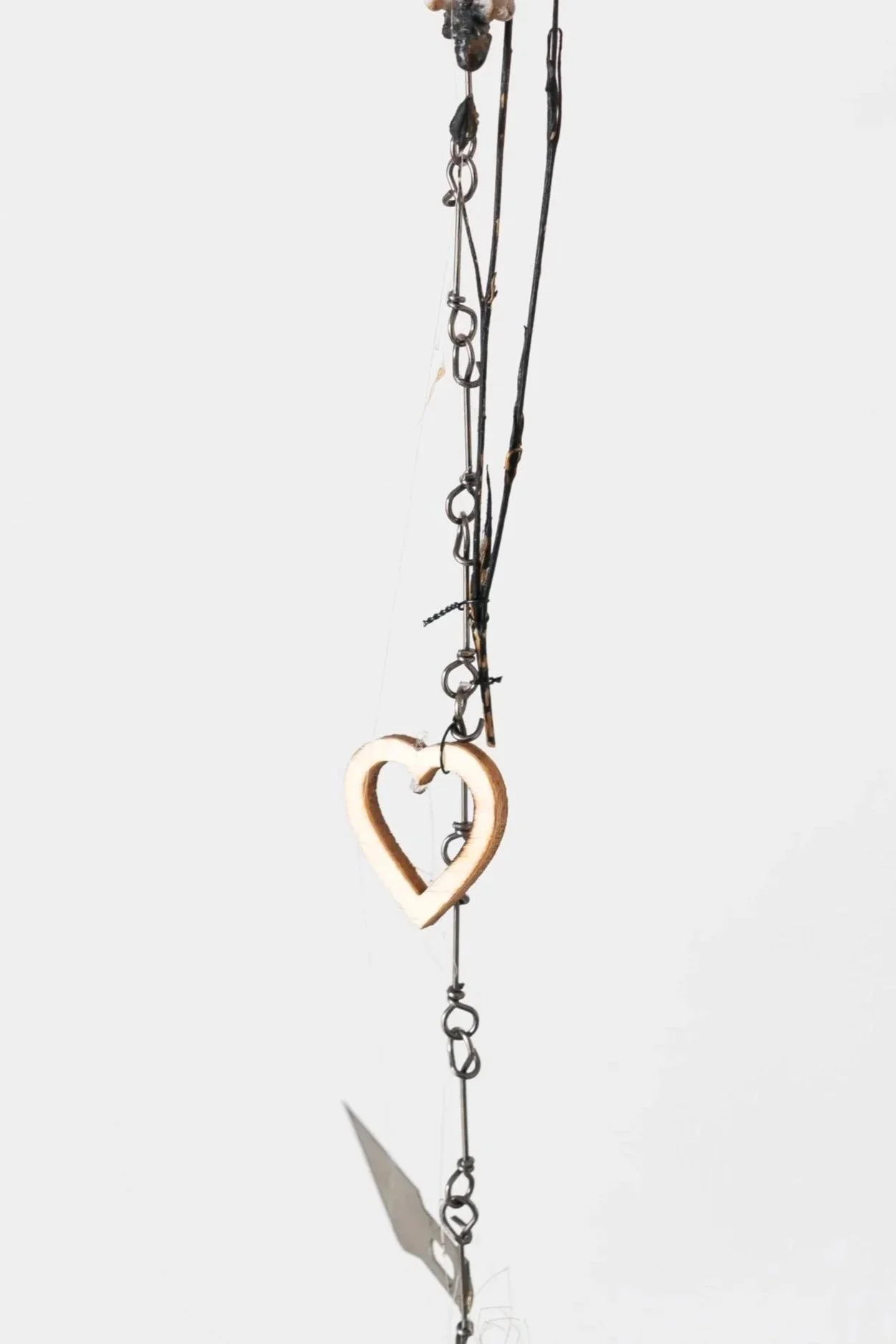
Detail of Essay P: Repressed Memory (2025) – Wolfsbane Letter project by Kirill Savchenkov as part of I Am a Wanderer in My Heart, curated by Théo-Mario Coppola, Galerie Hubert Winter, Vienna, Austria, 2026 | Courtesy of the artist, Paris, France and Galerie Allen, Paris, France. Photo: Kirill Savchenkov
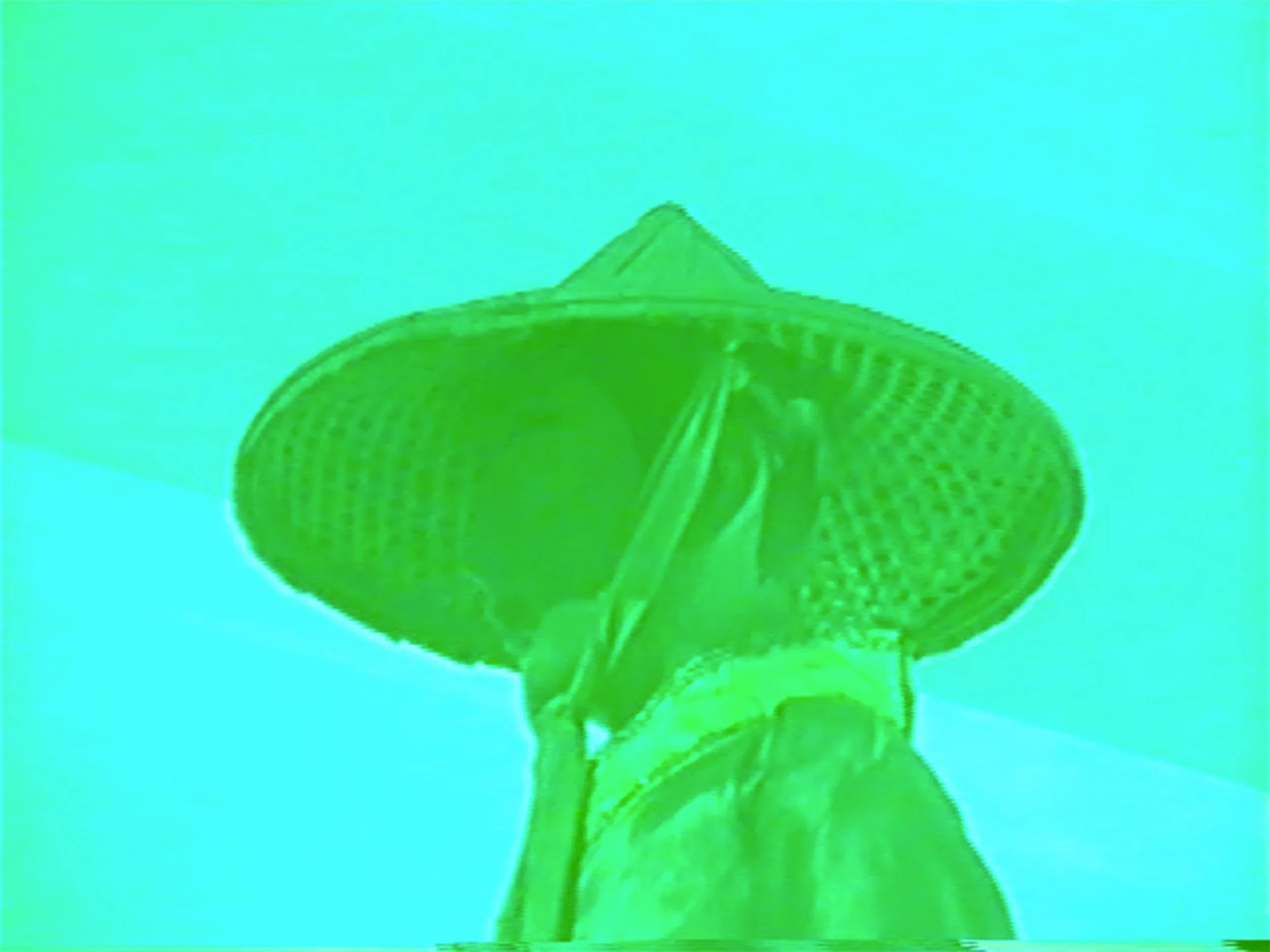
Video still of Love is the Only True Act of Resistance (2018) by J Triangular as part of I Am a Wanderer in My Heart, curated by Théo-Mario Coppola, Galerie Hubert Winter, Vienna, Austria, 2026 | Courtesy of the artist, Taipei, Taiwan. Still: J Triangular

Exhibition view of I Am a Wanderer in My Heart, curated by Théo-Mario Coppola, Galerie Hubert Winter – 19 Breite Gasse, 18th edition of the curated by festival, Vienna, Austria. | Photo: Simon Veres.
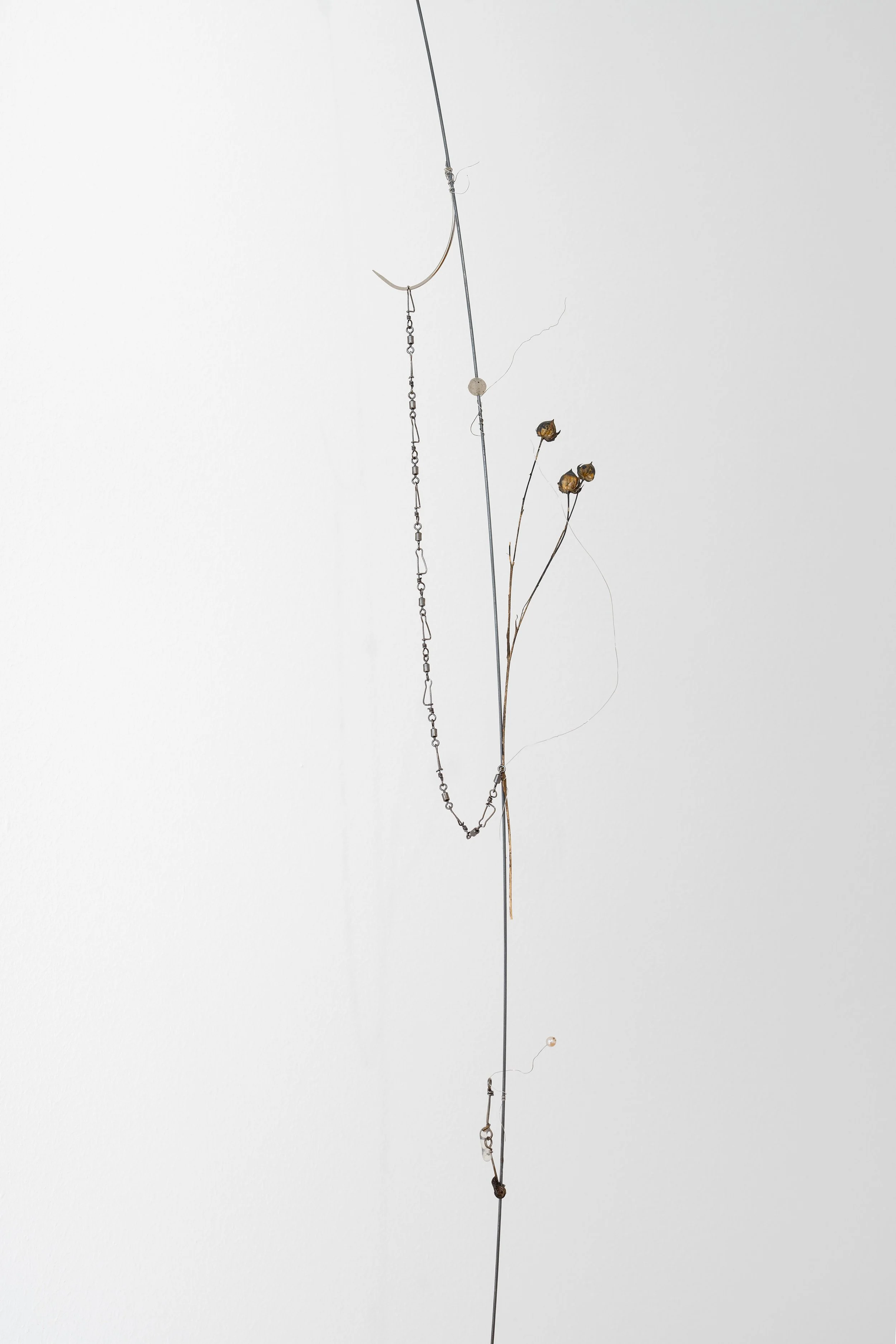
Exhibition view of I Am a Wanderer in My Heart, with the beam of night (the water striders talk) (2025) from the Wolfsbane Letter project (2024-ongoing) curated by Théo-Mario Coppola, Galerie Hubert Winter – 19 Breite Gasse, 18th edition of the curated by festival, Vienna, Austria. | Photo: Simon Veres.

Exhibition view of I Am a Wanderer in My Heart, with works by Kirill Savchenkov, curated by Théo-Mario Coppola, Galerie Hubert Winter – 19 Breite Gasse, 18th edition of the curated by festival, Vienna, Austria. | Photo: Simon Veres.

Exhibition view of I Am a Wanderer in My Heart, with Essay P: Repressed Memory (2025) from the Wolfsbane Letter project (2024-ongoing) by Kirill Savchenkov, curated by Théo-Mario Coppola, Galerie Hubert Winter – 19 Breite Gasse, 18th edition of the curated by festival, Vienna, Austria. | Photo: Simon Veres.
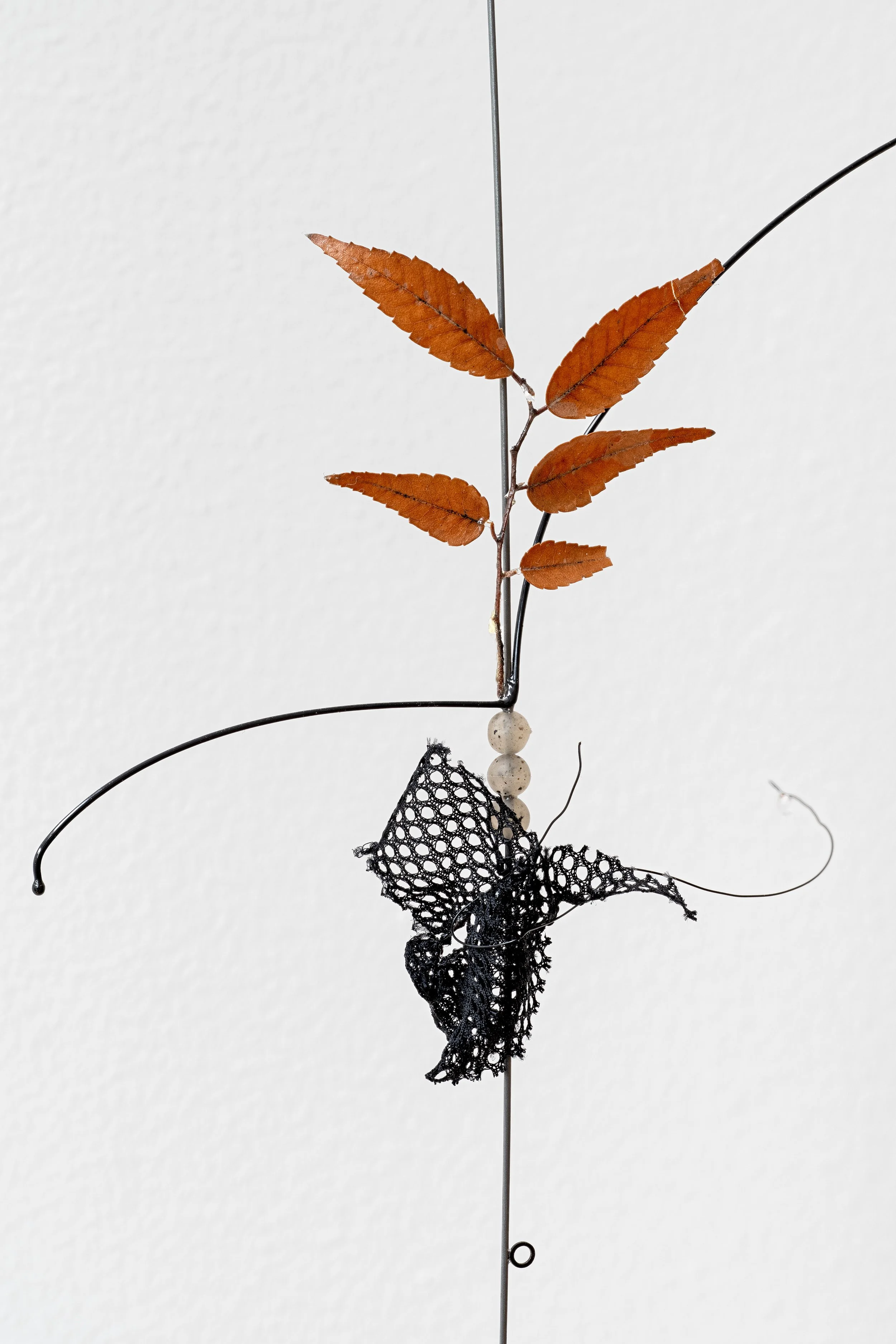
Exhibition view of I Am a Wanderer in My Heart, with a detail of (I deeply regret my shadow) (2026), from the Wolfsbane Letter project (2024-ongoing) by Kirill Savchenkov, curated by Théo-Mario Coppola, Galerie Hubert Winter – 19 Breite Gasse, 18th edition of the curated by festival, Vienna, Austria. | Photo: Simon Veres.
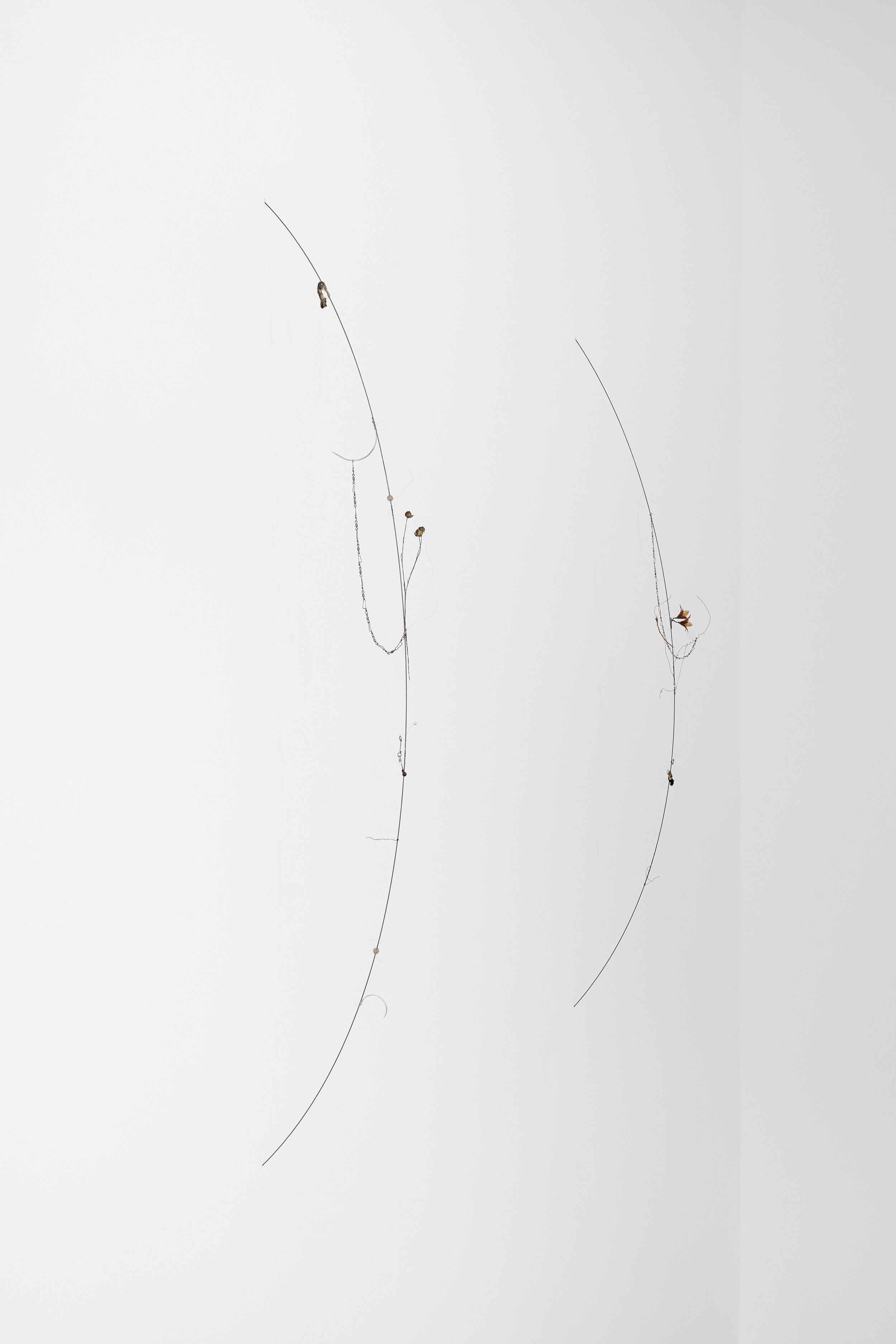
Exhibition view of I Am a Wanderer in My Heart, with works by Kirill Savchenkov, curated by Théo-Mario Coppola, Galerie Hubert Winter – 19 Breite Gasse, 18th edition of the curated by festival, Vienna, Austria. | Photo: Simon Veres.